Best Day Tours From Tokyo When You Don't Want to Plan Everything
A local-checked guide to Kamakura, Hakone, Mount Fuji, and Nikko for first-time Japan visitors: when a day tour solves a real transport problem, and when to skip it.
Quick answer
Decision: Check firstBook a tour only when it solves a transport problem — Kamakura is easy on your own.
Answer for: first-time visitor staying in Tokyo. Other situations are covered below.
- Published
- Updated
- Checked
- Next review
A local-checked guide to Kamakura, Hakone, Mount Fuji, and Nikko for first-time Japan visitors.
This guide covers four classic day trips from Tokyo and nothing else. For each one, it separates the trips where a guided tour solves a real problem—several spread-out stops, local buses, a long day—from the trips where a simple train day is enough.
It does not rank tour companies, and it does not quote prices, because listings change. Train, road, and opening-hour facts come from official operator, prefecture, and tourism pages checked on 2026-10-28. Tour lengths, stops, and inclusions come from Viator listings reviewed the same day. Recheck both before you pay.
Quick answer: which Tokyo day tour should you book?
Book a day tour when it solves a real transport problem—not just because it tops a “best of” list.
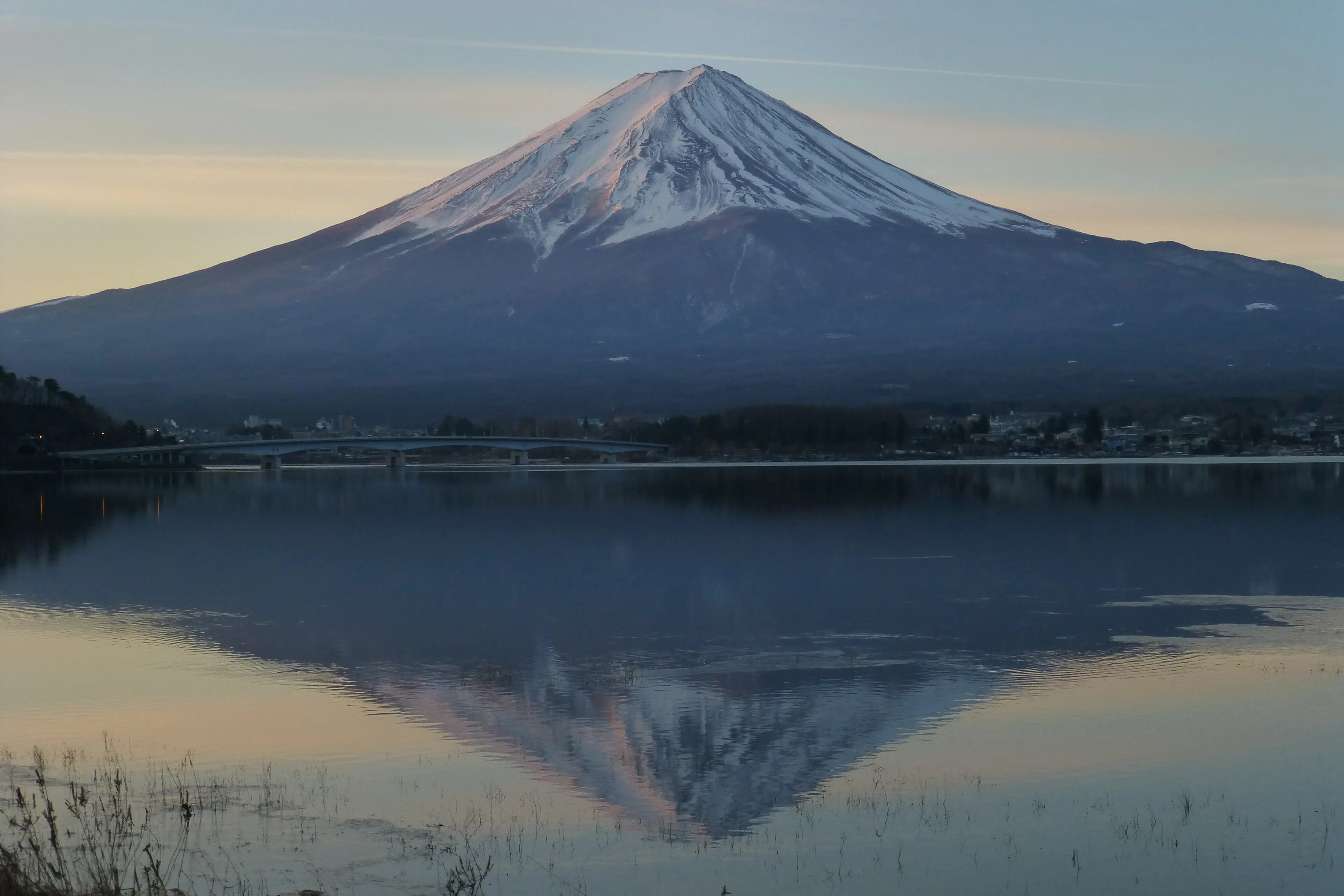
- Mount Fuji: A tour earns its price if you want several spread-out stops around the lakes in one day. If one lake area is enough, the reserved-seat Fuji Excursion train from Shinjuku reaches Kawaguchiko in about two hours, and highway buses also run from Shinjuku. Check the season: in winter 2025–2026, the road stopped short of the 5th Station from mid-January until the prefecture planned to reopen it in mid-April. From late autumn, snow can also stop the road below the 5th Station on any day. Is a Mount Fuji Day Tour From Tokyo Worth It? compares the tour types and the do-it-yourself route.
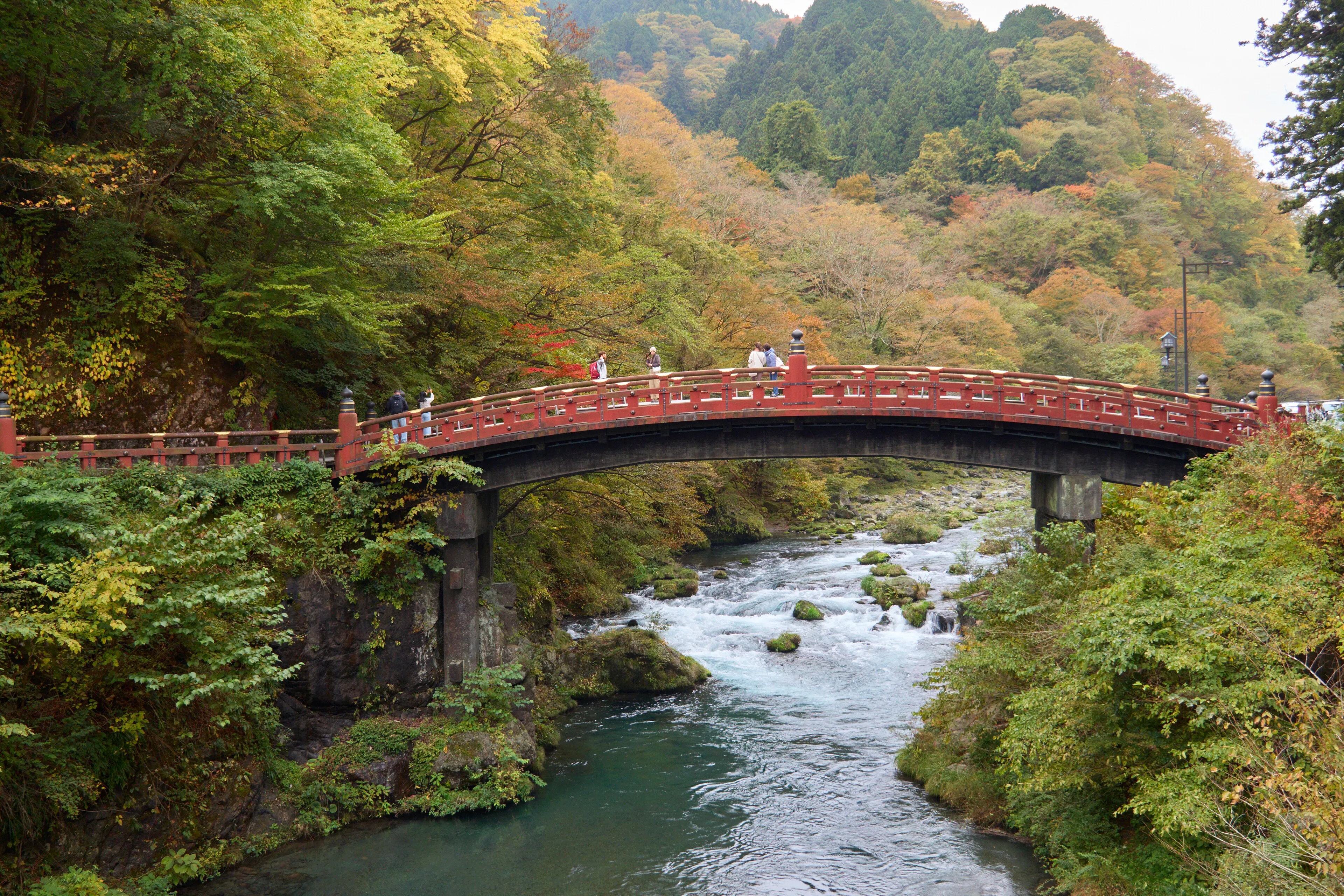
- Nikko: A tour handles the shrine-to-waterfall-to-lake connections, but it is a long day—group tours from Tokyo listed about 10 to 12 hours on Viator on 2026-10-28. In autumn foliage season (mid-October to mid-November), Nikko’s official guide warns the road to Lake Chuzenji can take over 4 hours instead of 45 minutes. Don’t book a tight one-day tour in peak autumn; stay overnight or keep the day to the shrine area. Nikko From Tokyo: Day Trip or Overnight? compares a shrine-area day trip with a night near the lake.
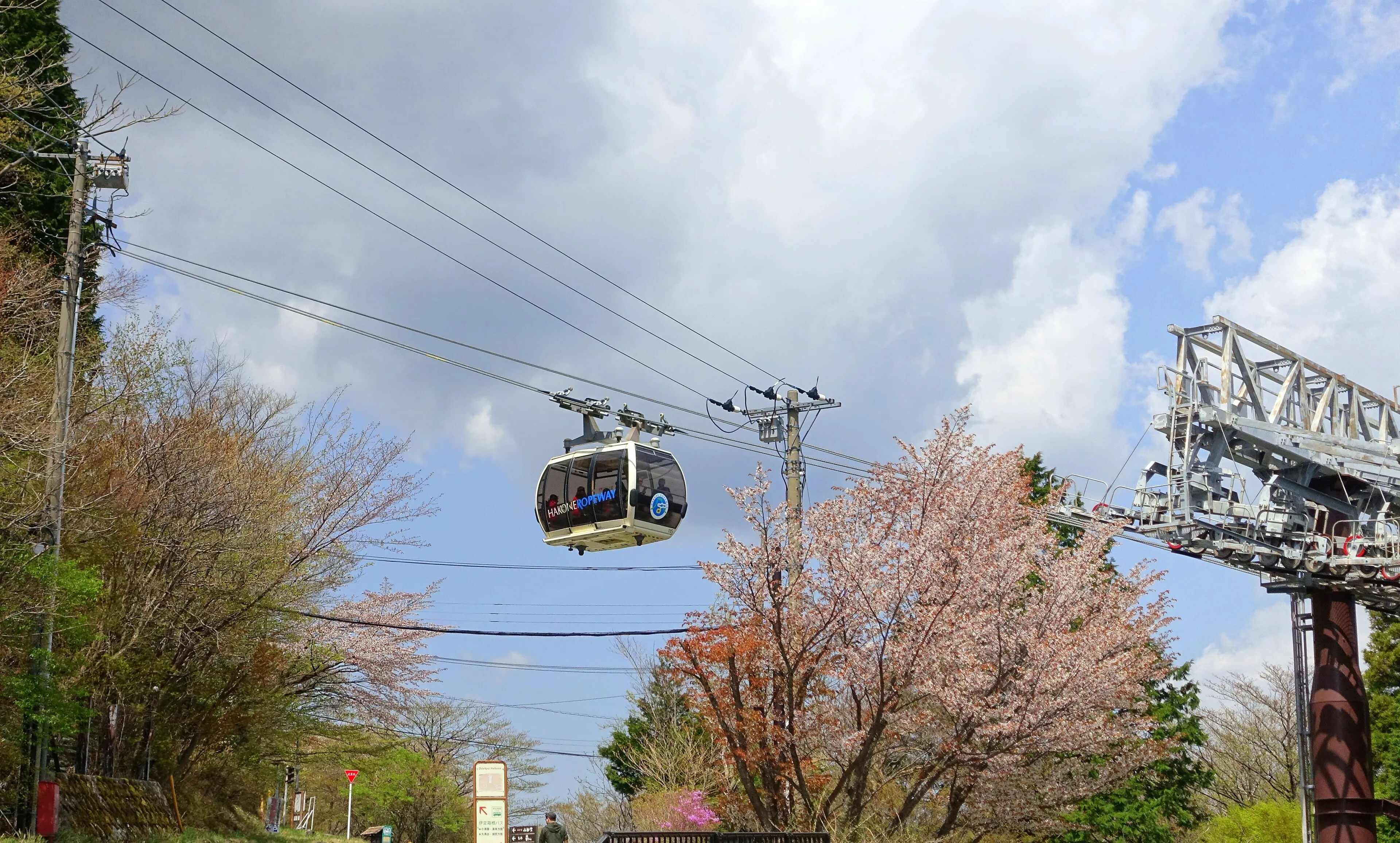
- Hakone: Many “Hakone” tours are Mount Fuji + Hakone combinations of about 10 to 11 hours. If your real goal is Hakone hot springs or a slower ryokan-style day, don’t choose a Fuji-and-Hakone combo just because it appears first—stay one night instead.
- Kamakura and Enoshima: Kamakura and Enoshima are usually easy to do by yourself from Tokyo. Book a tour only if you want a fixed route, a guide, or you don’t want to plan the temple-and-coast order. Can You Do Kamakura and Enoshima in One Day? covers the train route and one bus tour side by side.
Whichever you choose, don’t put a day tour on your arrival day.
| A tour makes sense when | Go on your own when | |
|---|---|---|
| Kamakura & Enoshima | You want a fixed route, a guide, or no planning of the temple-and-coast order | You’re fine planning a simple train day and want the Enoden, street food, and your own pace |
| Hakone | You’ve chosen a day trip and want a guide or driver to handle the sequence | You want to shorten the route freely, or stay overnight for the onsen or a ryokan |
| Mount Fuji | You want several spread-out stops around the lakes in one day | One lake area is enough—take the reserved-seat train or highway bus from Shinjuku |
| Nikko | You want the shrines, waterfall, and lake in one day without bus transfers | You only want the shrine area, or you can stay overnight in foliage season |
Do you need a tour, or can you go by yourself?
A day tour is a trade. You give up pace, flexibility, and the choice of where the day ends. In return, someone else handles the transport and the order of the stops. Whether that trade is worth it depends on three questions.
1. How many stops, and what connects them?
The more separate stops you want, and the more local buses or mountain transport sit between them, the more a tour can help.
- Kamakura and Enoshima are joined by trains: JR from Tokyo to Kamakura in roughly an hour, then the Enoden along the coast.
- Hakone combines local trains, a cable car, a ropeway, a Lake Ashi cruise, and buses. The official Getting Around Hakone page shows how many pieces that is.
- Mount Fuji’s lake area spreads its viewpoints around the lakes. The train or bus gets you to Kawaguchiko; reaching several viewpoints from there is a separate plan.
- Nikko runs buses between its stations and the shrine area, and on to Lake Chuzenji. The official guide gives about 45 minutes from Nikko Station to the lake in normal conditions.
2. Can you get the seats you need?
Going on your own still involves booking:
- The Fuji Excursion train from Shinjuku has no unreserved seats, and tickets go on sale one month before the travel date.
- The Shinjuku–Kawaguchiko highway bus offers reserved seating, bookable from one month before departure.
- Tobu’s limited expresses from Asakusa to Nikko are all reserved-seat trains, and Tobu’s purchase page says tickets can be bought “from 9:00 am of the month prior to the travel date.” The Japan Rail Pass alone does not cover Tobu trains.
If buying a reserved seat in Japan time feels like one task too many, that is a fair reason to consider a tour. If it doesn’t, the train or bus is usually the simpler day.
3. What could break the day?
Each of the four trips has a different weak point:
- Mount Fuji: the road to the 5th Station can be limited by snow or weather, and the prefecture notes that restrictions can apply even after the full road reopens.
- Hakone: individual transport modes can change operation; the live status page lists them separately.
- Nikko: autumn traffic. In peak foliage season, the official guide warns the lake road can take over 4 hours and recommends staying overnight for Oku-Nikko.
- Kamakura and Enoshima: time, more than transport. The day slips when you try to see everything.
A tour does not remove these risks. It only changes who adjusts the plan when they happen.
Go by yourself if:
- you’re comfortable reading a timetable and buying a reserved seat;
- you want to linger, skip a stop, or change the order;
- you’d rather see fewer places slowly;
- you want to finish somewhere other than a tour’s drop-off point.
A tour fits if:
- your stops are connected by local buses or several transport modes;
- you have one free day and don’t want to manage seat bookings and bus timings;
- you want a guide’s commentary;
- you’re fine with fixed meeting times and a long shared day.
Private tours on the same listing pages are usually priced per group rather than per person, so compare the total for your party, not the headline price.
How to compare day tours: meeting place, travel time, what’s included, cancellation, and rain plans
Use the same five checks for every listing. They matter more than the star rating.
- Meeting place and drop-off. Compare both with your hotel. Some tours return to one drop-off point only—the Kamakura bus tour reviewed in TRJ’s Kamakura guide ends in Shinjuku.
- Total time versus time at the stops. Reserved-seat trains from Tokyo to Kawaguchiko or Nikko take about two hours each way. A 10- to 12-hour tour therefore spends a large part of the day on the road. Look at the itinerary for how long each stop actually lasts.
- What the price includes. Transport, entry fees, lunch, ropeway or cruise tickets—check each one. Two tours with similar headline prices can include very different things.
- Cancellation deadline in Japan time. Many listings carried a “Free Cancellation” label on 2026-10-28, but the deadline and conditions belong to each product. Convert the deadline to Japan time before you rely on it.
- What happens if the route changes. Read what the listing says about weather: clouds or road limits at Mount Fuji, a stopped ropeway or cruise in Hakone, autumn traffic in Nikko. A tour that quietly swaps the main stop is a different day from the one you booked.
Kamakura and Enoshima: easiest if you want temples, coast, and less stress
Of the four trips, this is the one most first-time visitors can plan alone. JR runs from Tokyo to Kamakura in roughly an hour, and the Enoden coastal railway links Kamakura with Enoshima. The harder part is not transport but choosing what to skip, because Kamakura alone can fill a day.
Who a tour fits: You have one free day, you want the main stops—Tsurugaoka Hachimangu, the Great Buddha, Hasedera, and Enoshima—in a fixed order, and you’d rather not plan the temple-and-coast sequence yourself.
The do-it-yourself option: JR to Kamakura, then the Enoden to Enoshima. Can You Do Kamakura and Enoshima in One Day? lays out three route versions and what to cut when the day slips.
Check before booking:
- The bus tour reviewed in that guide ends in Shinjuku only, and its listing says it is not wheelchair accessible.
- The bus tour reviewed in that guide skips the Enoden and describes Komachi-dori as a pass-by.
- Whether lunch and temple entry fees are included in the tour you pick.
If you decide a fixed-route bus tour fits, the Kamakura guide above reviews one Viator option and what it leaves out, including that lunch was listed as not included on 2026-10-28.
Hakone: lake and mountain transport, but transfers matter
Hakone is not one train ride followed by a flat walk. The official Getting Around Hakone page shows local trains, a cable car, a ropeway, a Lake Ashi cruise, and buses. That chain is exactly why some travelers want a guide or driver to handle it—and why others prefer to keep it simple and short.
Watch the tour titles. On Viator on 2026-10-28, many results for “Hakone day trip from Tokyo” were Mount Fuji + Hakone combinations of about 10 to 11 hours. That can suit a traveler who wants both views in one long day. It does not suit someone whose real goal is a hot spring or a slower ryokan-style day.
Who a tour fits: You’ve already decided on a day trip, not an overnight stay, and you want someone else to handle the sequence of transport.
The do-it-yourself option: Pick one route shape and keep it bounded. Hakone Loop: Clockwise or Counterclockwise? explains mountain-first, lake-first, and partial routes, and how to check live operation on the day.
Check before booking:
- Whether the tour is Hakone only or a Mount Fuji combination.
- Whether the ropeway and cruise are included, and what happens if either is stopped. The live status page lists each mode separately.
- Where the tour ends. A tour that returns to Tokyo does not help if you are moving on to Kyoto. For that route, see Hakone With Luggage: The Easiest Tokyo–Hakone–Kyoto Route.
In TRJ’s search of Viator on 2026-10-28, every shared group tour to Hakone from Tokyo had Mount Fuji in its title or included a Mount Fuji–area stop; the Hakone-only listings were private tours, most meeting in Hakone itself. If you want both in one long day, this is one combination that says so in its title:
Mount Fuji: book only if the tour plan matches the season and pickup point
Of the four trips, this is the one where a tour’s transport helps most clearly, if you want several stops. Getting to the lake area is simple: the Fuji Excursion train runs from Shinjuku to Kawaguchiko in about two hours, with reserved seats only. Getting between several viewpoints around the lakes in the same day is the harder part. Tour titles on Viator on 2026-10-28 combined stops such as the 5th Station, Lake Kawaguchiko, Chureito Pagoda, and Oshino Hakkai, mostly in 10- to 11-hour days.
Who a tour fits: You want several spread-out viewpoints in one day and don’t want to work out local connections.
The do-it-yourself option: If one lake area is enough, book a seat on the Fuji Excursion or a highway bus from Shinjuku. Both open reservations about a month ahead.
Check before booking: whether the road reaches the 5th Station on your date (from late autumn, snow can close it well below), what the tour does if the road is closed or cloud hides the mountain, and where it meets and ends. The view is never guaranteed.
For the full comparison—tour types, the 5th Station season, how to book the Shinjuku–Kawaguchiko bus yourself, and what each choice does on a cloudy day—see Is a Mount Fuji Day Tour From Tokyo Worth It?
Nikko: shrines, waterfall, and lake, but the long day is the tradeoff
Nikko combines its shrine area with a mountain lake and waterfall higher up. Tobu’s reserved-seat limited expresses run from Asakusa, and the Nikko City Tourism Association puts Nikko about two hours from Tokyo. Buses then link the stations, the shrine area, and Lake Chuzenji. Group tours from Tokyo on Viator on 2026-10-28 mostly listed 10 to 12 hours.
Who a tour fits: You want the shrines, Kegon Falls, and Lake Chuzenji in one day without managing bus connections.
The do-it-yourself option: Keep the day to the shrine area and skip the lake. Book the limited express in advance: Tobu’s limited expresses are all reserved-seat, and the Japan Rail Pass alone does not cover Tobu. A JR route via Utsunomiya also exists.
Check before booking: autumn traffic on the road up to Lake Chuzenji on your date (in peak foliage season, the official guide recommends staying overnight for Oku-Nikko), whether the tour reaches Nikko Toshogu before it closes (5:00 p.m. from April to October and 4:00 p.m. from November to March, with entry ending 30 minutes earlier), and the time at each stop against the length of the day.
For the full comparison—a shrine-area day trip or a night near the lake, autumn traffic, Toshogu’s closing times, and what’s closed for the season—see Nikko From Tokyo: Day Trip or Overnight?
Viator vs GetYourGuide: what to check before clicking
TRJ works with both Viator and GetYourGuide as an affiliate and may earn a commission from either, so this guide does not declare a winner.
Whichever site you use, compare the same things: meeting point, total time, included fees, cancellation deadline, and what happens if the route changes.
A few habits help:
- Compare the same product, not the same title. Two listings called “Mt Fuji and Hakone day trip” can have different stops, return methods, and inclusions.
- Read the itinerary, not just the hours. Time at each stop matters more than the total.
- Read the cancellation terms on the product page itself. A “Free Cancellation” label is a summary; the deadline and conditions are in the listing.
- Treat the default sort order as the site’s own ranking, not an independent quality score.
- Check private tours by total price for your group, since many are priced per group.
When not to book a tour
A tour is the wrong purchase in these cases:
- Kamakura, if you’re comfortable planning a simple train day. JR and the Enoden do the job, and you keep the street food and your own pace.
- Nikko in peak autumn, if you can’t stay overnight. A tight one-day tour to the lake can spend hours in traffic.
- A Fuji-and-Hakone combo when the hot spring is the point. Stay one night in Hakone instead.
- Any tour on your arrival day, or the morning after a long-haul flight.
- A tour that ends in Tokyo when you are moving on. If your next stop is Kyoto, plan the Hakone day around your luggage instead.
Common mistakes first-time visitors make
- Booking a tour for arrival day. Flight delays and immigration lines don’t care about meeting times.
- Ignoring the meeting point. An early meeting time on the other side of Tokyo turns into a much earlier start from your hotel.
- Booking a Fuji-and-Hakone combo by accident. Search results for one often show the other.
- Assuming the Japan Rail Pass covers Tobu’s limited expresses to Nikko. It does not cover Tobu on its own.
- Reading the cancellation deadline in your home time zone. Convert it to Japan time.
- Carrying a suitcase on a tour day. Settle luggage first; Hakone With Luggage covers forwarding options for the Tokyo–Hakone–Kyoto route.
- Planning the whole day around one view. Mount Fuji can be hidden by cloud, and autumn traffic can reshape a Nikko day.
Your booking decision
Book / Don't book / Check first
Book
- A Mount Fuji or Nikko day tour, if you have one free day and want several spread-out stops without managing local buses—after checking the items under Check first.
- If you go on your own instead: your seat. The direct Fuji Excursion train to Kawaguchiko and Tobu's limited expresses to Nikko are reserved-seat only, and tickets go on sale about a month ahead.
Don't book
- A tour just to get to Kamakura, if you're comfortable planning a simple train day. Take JR to Kamakura and the Enoden to Enoshima on your own.
- A tight one-day Nikko + Lake Chuzenji tour in peak autumn (mid-October to mid-November). Nikko's official guide recommends staying overnight for Oku-Nikko then.
- A Fuji-and-Hakone combo just because it appears first, when your real goal is Hakone hot springs or a slower ryokan-style day. Stay one night instead.
Check first
- Where the tour starts and ends, compared with your hotel (the Kamakura tour reviewed by TRJ ends in Shinjuku), and what the price includes (transport, entry fees, lunch).
- What happens when the route changes: whether the road reaches Mount Fuji's 5th Station that season, and what the tour does if clouds or a stopped ropeway change the day.
- Arrival times against closing times (Nikko Toshogu closes at 4:00 p.m. from November to March, with entry ending 30 minutes earlier), and the free-cancellation deadline in Japan time.
- Kamakura: the train route and one bus tour, side by side
- Hakone: mountain-first or lake-first
- Mount Fuji: tour or train and bus?
- Nikko: day trip or overnight?
Based on the official sources listed below, Viator listings reviewed on 2026-10-28, and TRJ's own route judgment.
When this advice changes
Recheck this guide’s decisions if:
- the Fuji Subaru Line announces new winter or summer restrictions;
- the Fuji Excursion or Tobu limited express timetables, seat rules, or sale dates change;
- Nikko’s autumn traffic guidance changes, or Nikko Toshogu changes its hours;
- the linked tour listings change their meeting points, stops, inclusions, durations, or cancellation terms;
- GetYourGuide listings become available to check side by side.
Sources and last checked date
Checked on 2026-10-28; the official sources and the three linked Viator listings were rechecked on 2026-10-29:
- Fujikyu Railway: Fuji Excursion (Fuji Kaiyu)
- Fujikyu Bus: Shinjuku–Kawaguchiko highway bus
- Yamanashi Prefecture: Fuji Subaru Line full access release, 2026-04-15 (Japanese)
- Nikko City Tourism Association: Getting Here & Around
- Tobu Railway: FAQ and How to purchase limited express tickets
- Nikko Toshogu: Visiting hours (Japanese)
- Hakone Navi: Getting Around Hakone and Transportation status
- Viator search results for Mount Fuji, Hakone, and Nikko day trips from Tokyo (commercial listings; durations and labels change)
- Viator product listings linked above: Mt Fuji and Hakone 1-Day Bus Tour, Mount Fuji Full Day Sightseeing Tour, and Nikko, Kegon Waterfall & Chuzenji Lake (inclusions and itineraries change; recheck before paying)
GetYourGuide listings could not be checked on 2026-10-28, so this guide links only to Viator for now and does not describe GetYourGuide products.